Expectation, this is what every restaurant customer walks through the door with, more than the company they intend to keep, more than the dollars they willing to part with, more than what lay in wait for the remainder of the evening, they have had expectations. The expectation varies with each individual for they are seeking satisfaction of their very needful expectation.
Depending on the style of the restaurant the expectation will be subject to change in most areas except one, receiving the finest meal for the dollar (large or small) that is exchanged in accomplishing expectation.
Disappointing the expectation is the loss of the customer? Perhaps not, but more importantly, it is the dissolution of the faith the customer has placed within those who have promised to meet those expectations.
When a menu offers an item prepared in a certain manner does it come that way or have the promises made upon the menu met with a disappointing lack of concern for the expectation of all concerned. There becomes an unwritten partnership in service within a restaurant where each one involved in that partnership has duties and expectations.
First the customer, the most important partner, for without the customer there can no longer be a need for the business. The customer is the one who comes with the highest of expectation and will quickly dissolve the relationship when those expectations go unfulfilled. A promise of a creamy risotto, which turns into nothing more than gruel, a sherry laced lobster bisque which becomes a cold cayenne infused liquid or jumbo sea scallops that are really nothing more than bay scallops all lead to the ruin of the expectations and a dissolution of the partnership. The customer knows one thing for a certainty, there is another restaurant just around the corner or right next door and they are quickly willing to change the partner they presently have.
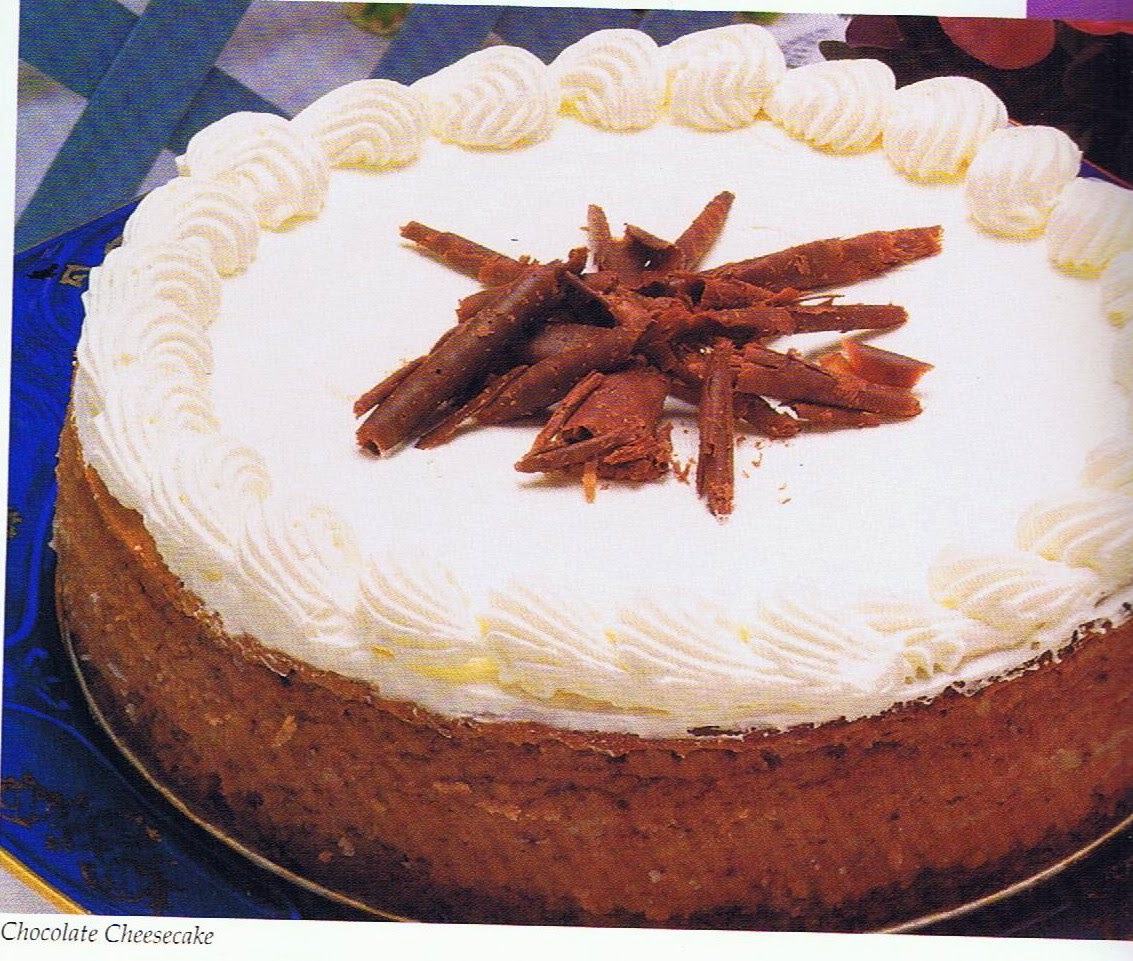
Keep in mind that beyond the expectation of a wonderful meal all the expectations that follow do so based on implied promises found within or upon the pages of the menu. Right there in the menu item description. When one fails that, they fail self and that is where faith is lost. Not fulfilling the written promise is tantamount to breaking a written covenant with your partner. What the menu promises create's the expectation of the customer, "the most delicious house baked cheesecake you ever had" does not mean it comes out the freezer sent directly in by the food service purveyor, it means the restaurant staff made it. When you go cheap on your customer, you quickly have no customers. The menu reads "we use only the finest, freshest, local ingredients" yet the pantry and refrigeration are filled with pre-made heat and serve or instant product. A lie on the menu is still a lie and a slap in the face of your partner the customer. An unhappy customer must viewed as nothing more than a failure to meet expectations, not only theirs but our own as well.
Every chef comes to the position with the expectation of his/her ability being well received. These expectations define the present and the future of the chef. Compromising personal and instructed standards only lessens the opportunity to meet the expectations and makes cheap the skills of the chef.
A chef who has a passion for his/her cuisine and has maintained that passion knows every dish is the reflection of that passion. A chef is as only as good as the dish he/she is serving at any given moment. Being sure of your ability provides a confidence in the customer but being true to your word meets the expectation of the customer. A no compromising attitude only goes to fulfilling all the partners expectations. Many kitchens are under the management of those willing to part with what their skills have taught them in an effort to save a few pennies per plate, before long less customers are coming and the slide to the destruction of the restaurant has begun, simply because of compromise and failure to meet expectations.
Culinary education, high standards and skills are only as good as the effort made to make use of them. If you possess them, then there must be an expectation to use them, not to meet that expectation is fail self and all others.
Touting those skills on social media and internet only goes to accomplish the reason they exist, that is to feed the expectation of a new or existing client. Here more than ever the maintaining those standards and meeting the expectations carry their weight in gold. This of course means the photography of menu items placed online, be sure that the same dishes served in the restaurant match the pictures, you set the expectation with the photo, did you meet it? Those who use this media (more all the time) do not hesitate to express both the fulfilling and failure through the social media sites, where word of mouth may affect up to a few hundred people now social media affect thousands. What is stated on line must be truthful and complete.
Front of the house staff to have expectations, when the expectation of their customer is left unfulfilled, the good ones, take it as a personal slight and feel somewhat that they have failed. They have when the failure is completely within their control, being inattentive, sluggish, or distracted fails the expectation of the consumer. However the majority of a server problem is kitchen related, the customer tends to forget the server is the transportation department simply delivering what the kitchen has been ordered to prepare by the customer, who expects exactly what they desired. It is the server who hears the disappointing moaning and groaning of the consumer not a kitchen who cares little for that consumer.
Managers and chefs who cannot fulfill on the menu promise crash the expectations of the customer in turn the customer crashes the expectation of the manager and chef by not returning. If the menu promises an item be sure you have it, and it is exactly what is stated. An 86 item makes no friends, every host or hostess should notify the customer of 86 items the moment the menu is presented thus eliminating any disappointed expectation. Every effort should be made to prevent this from happening, but they do, so handle with a little concern for the expectation of the customer.
Lobster Bisque
5 lbs lobster
10 cups water
4 tbsp butter
1 finely diced medium onion
1 minced garlic clove
1 finely diced celery
4 tbsp flour
1 cup peeled, seeded, diced tomatoes
3 oz tomato paste
1/3 cup sherry
½ tsp salt
¼ tsp pepper
1 cup whipping cream
Place the lobster in a large kettle. Cover with the water. Bring to a boil and boil for 30 minutes. Remove the crayfish and allow to cool. Remove the tail meat from the crayfish, reserve the meat, return the shells to water.
Simmer the lobster shells until the water has reduced to 4 cups (1 L). Strain the broth, reserving it. Discard the shells.
In a large saucepan, heat the butter. Sauté the onion, garlic and celery until tender.
Sprinkle with flour and cook for 2 minutes over low heat.
Pour the crayfish broth over the vegetables. Add the tomatoes, tomato paste, crayfish tails, sherry, salt and pepper. Simmer for 15 minutes.
Transfer the soup to a blender and puree. Return to the pot and continue to simmer for 5 minutes.
Whip in the cream and simmer for an additional 10 minutes.
Serve very hot.
SERVES 4
SIMPLE FRIED SEA SCALLOPS
1 lb. Fresh sea scallops
2 Tbps. Butter
2 sprigs fresh thyme
Kosher salt
Freshly cracked black pepper
1/4 – 1/2 cup of dry white wine
Heat butter and thyme in a non-stick pan
Toss in the scallops and cook for a few minutes
Flip them over.
Deglaze the pan with a little white wine
Turn the heat off to let them finish cooking for a minute or two.
Place on risotto (follows).
Serves 4
SIMPLE SHRIMP RISOTTO
1½ cups arborio rice
1 qt seafood or fish stock
½ cup white wine
1 medium shallot or ½ small onion, chopped (about ½ cup)
3 Tbsp unsalted butter
1 Tbsp vegetable oil
2 cups peeled and de-viened 30/40 count shrimp
¼ cup grated Parmesan cheese
1 Tbsp chopped Italian parsley
Kosher salt, to taste
Heat the stock to a simmer in a medium saucepan, then lower the heat so that the stock just stays hot.
In a large, heavy-bottomed saucepan, heat the oil and 1 Tbsp of the butter over medium heat. When the butter has melted, add the chopped shallot or onion. Sauté for 2-3 minutes or until it is slightly translucent.
Add the rice to the pot and stir it briskly with a wooden spoon so that the grains are coated with the oil and melted butter. Sauté for another minute or so, until there is a slightly nutty aroma. But don't let the rice turn brown.
Add the wine and cook while stirring, until the liquid is fully absorbed.
Add a ladle of hot stock to the rice and stir until the liquid is fully absorbed. When the rice appears almost dry, add another ladle of stock and repeat the process.
Continue adding ladles of hot stock and stirring the rice while the liquid is absorbed. As it cooks, you'll see that the rice will take on a creamy consistency as it begins to release its natural starches.
Continue adding stock, a ladle at a time, for 20-30 minutes or until the grains are tender but still firm to the bite, without being crunchy. If you run out of stock and the risotto still isn't done, you can finish the cooking using hot water. Just add the water as you did with the stock, a ladle at a time, stirring while it's absorbed.
Stir in the shrimp during the last five minutes of cooking the rice.
Stir in the remaining 2 Tbsp butter, the Parmesan cheese and the parsley, and season to taste with Kosher salt.
Serve at once, holding the rice even for a short time will turn it glutinous at the cost of the creamy sauce like texture, which is truly what you want.
NEW YORK STYLE CHEESECAKE
CRUST
3-½ cups graham cracker crumbs
1 tbsp cinnamon
¼ cup melted butter
FILLING
1.5 lbs cream cheese
2 cups granulated sugar
1-½ cups heavy cream
2 tbsp lemon juice
1 tbsp vanilla
4 eggs, room temperature
1-½ cups sour cream
CRUST
Combine crust ingredients. Press into the bottom and sides of a buttered 10" springform pan. Chill. Preheat the oven to 325F (160C).
FILLING
Beat the cream cheese and sugar until smooth. Add the cream, lemon juice and vanilla, beat until well blended. Add the eggs, one at a time, beating well after each addition. Stir in the sour cream.
Pour mixture into prepared shell. Place the springform pan in a larger pan containing an inch of water. Bake in the oven until the center is set, about 90 minutes. Turn off the oven and prop door open slightly.
After about 30 minutes transfer to a rack to cool, chill overnight.
Serve with fresh fruit or fruit sauce.
Chef K, formally known as Ron Kalenuik, is a world renowned chef of over 30 years. Ron has produced 18 international cookbooks which are unfortunately now out of print. Currently living in Niagara Falls Ontario, Chef K is a consultant to several restaurants, small hotels and B&B's, while he continues to cater special events. Stay tuned for updates as they happen!
Search This Blog
Friday, October 10, 2014
Sunday, March 02, 2014
Algerian Baklava
For The Dough
4 cups flour
1 teaspoon salt
1 1/3 cups tepid water
1/4 cup olive oil
Directions
Sift flour and salt into a mixing bowl and add the water
with oil.
Stir until forms soft dough, then knead in the bowl about 10
minutes.
Dough will feel sticky at first, but kneading, it should
develop into a dough that becomes smooth and satiny.
When well mixed and smooth, wrap pastry in plastic wrap and
leave it to rest at room temperature about one hour.
If not all the dough is being used right away, wrap the
unused portion and keep chilled in the fridge up to a week.
Always bring to room temp before using.
Divide the pastry into 12 equal portions, shaping them into
smooth balls.
Cover with a cloth, except the one you're working with.
Take a ball of dough, and shape it into a square.
Place it on a lightly floured surface, and roll into a 6
inch square using rolling pin, (or pass through a pasta roller until thin.)
Dust again with flour.
FILLING:
18 ounces chopped nuts, use almonds, walnuts, pecans,
peanuts (your choice)
128 g granulated sugar
1/4 teaspoon ground cinnamon
1 teaspoon vanilla sugar
2 teaspoons melted ghee
155 ml orange flower water (mazhar)
For the Syrup
310-620 ml honey
155-310 ml orange flower water
310 ml extra of melted ghee, to brush the pastry with and
enough whole nuts to decorate each piece of baklava.
In a saucepan, melt the ghee on a medium heat. Brush a tray with
ghee using the pastry brush.
Lay a first strip of phyllo pastry vertically in the center of
the tray. Brush the pastry with the melted ghee.
Repeat the dough rolling process. Cover the tray with
phyllo, remembering to brush with ghee after each strip. You should be able to
do this with 5 strips.
Turn the tray round so that you're placing the phyllo strips
horizontally over vertical strips. This crisscross is very important.
Continue rolling the pastry and layering the tray. Brushing
with the ghee after each strip, continue doing this until you have done 5
layers.
To prepare the nut filling. With a food processor and chop
up the nuts.
Place the nuts in a mixing bowl and add the sugar, cinnamon,
vanilla powder and mazhar - enough mazhar to make the filling to just form a
smooth ball.
Place filling in the tray over the pastry, gently smoothing
it out - but don't press it.
Repeat the dough rolling, layer, until you have 6 layers, brushing
with the ghee.
When you've finished the 5th layer you can choose to do the
top layer. Roll out one large sheet by hand.
If you want to try
rolling out a sheet, remember to cover the dough, rolling pin, surface, your
hands etcetera in loads of corn flour.
Then roll out the tray size, plus 2cm extra.
Now you need to cut the baklava and decorate.
Take your knife and cut vertical straight lines all the way
to the bottom. (Approx. 2cm apart) then spin the tray round and cut more lines,
diagonally to form diamond shapes. You can also make squares or triangles, but
traditional Algerian baklava are diamonds, you may want to push a whole nut
into each shape.
Brush well with the ghee and place in a pre-heated oven at
180 c for 1 hour - 1 hour 10 minutes.
The baklava should be golden and now needs it syrup: Warm
the honey and mazhar in the saucepan then pour slowly over the baklava.
Allow to sit for 10 minutes, then cut out pieces and place
in paper cases - preferably the metallic ones as they hold the syrup better.
Sunday, February 02, 2014
WARNING: DO NOT PUSH, PULL INSTEAD, CULINARY JOURNEY CONTINUES
WARNING: DO NOT PUSH,
PULL INSTEAD PART 1
We have seen some of the really great things of St.Louis,
gooey butter cake, The Arch, The Hill yet we have yet to discuss two other very
important areas to St. Louis lifestyle, and fortunately they good absolutely
hand in hand. They are course barbecue and beer. So lets take a look at these.
BARBECUE ST. LOUIS
STYLE
Barbecue, BBQ, bar-b-q no matter how you say it the one
thing you must say it is so good. Many believe grilling is barbecue, simply it
is not, grillings is in essence fast cooking over high heat, barbecue is the
completely the opposite, slow slow cooking with a very low heat source.
Barbecue is given as a slang for any outdoor gathering, although these parties
generally are more grilling events than a barbecuing event as none is usually
served except maybe in the South and yes St. Louis is considered the south,
even though it is above the Mason Dixon line..
Barbecue didn't actually begin in the south in fact, no one
can really say where it began, perhaps with neanderthal man slowly roasting his
meal of the day over the fire he just discovered as a use for flavoring that
dinner. That course is the purpose of barbecue to use smoke from hard or fruit
woods to place an essence within the meat. Marinated or not, rubbed with secret
spice blends or commercially prepared ones the smoke is the most important ingredient
in great barbecue (next to the item being smoked of course). The making of beef jerky is barbecuing, smoked
salmon,barbecuing, spit roasting, barbecuing, Hawaiian luau is a barbecue, pit
cooking, barbecuing so there are many types of barbecuing it is the perfecting
of it that makes it great.
Most barbecues that we know today has a wonderful history
and the history is usually traceable to the new American's that settled in an
area. It may have been introduced to the Americas from the Caribbean or from
Europeans from Germany and France, certainly native Americans had some kind of
barbecuing already here upon the arrival of the Mayflower.
Barbecue has adapted to the taste of the area as the people
moved in and out. North Carolina serves a different style than South Carolina,
St. Louis differs from Kansas City even though they just a few miles from one
another. Louisiana will swear theirs is better than that found in Texas and vice
versa. Spices from African influences,
chilies from Latin America, tomatoes (once discovered they were not poisonous) mustard,
molasses and pure cane sugar and even good ole Kentucky bourbon all found their
way into the creation of barbecue. The Germans introduced slow smoking pickled
meats served along with a spicy coleslaw and German potato salad. The French
and or the Germans brought mustard. Civil war cooks were able to barbecue to
feed the war weary. Beef, chicken, pig
sausages vegetables all are barbecue and barbecue can be you too, or at least
within you.
The discussion of barbecue is best had as we arrive in the
state or area so that is what we will do as we continue on our culinary
journey. So we can look forward to much BBQ the foremost regions would be: Alabama,
Arkansas, Georgia, Kentucky,
Mississippi, North Carolina, South Carolina, Tennessee and Texas, so clearly
our cruise is going to be delicious.
If you love barbecue sauce, then certainly St. Louis is the
city to visit, it has the unofficial label of the city where the most BBQ sauce
is consumed. The sauce here is generally a tomato based sauce, somewhat sweet, tangy containing spices and vinegar,
but without the addition of liquid smoke (invented in Kansas City by a local
pharmacist. Perhaps we should write on the history of some these stables we now
use without a second thought, Worcestershire, Soy, Tabasco, A1 Sauce, HP Sauce
etc. ) St. Louis ribs are of course named for the city, these larger ribs are
spare ribs with the sternum bone, cartilage and rib tips removed. The rib tips
are favorites of restaurants and pubs as
appetizers and buffet offerings also slow smoked and slathered with BBQ sauce.
Another unique and delicious BBQ item that seems local to
St. Louis (but with some searching can be found in Atlanta and Memphis on Beale
St. ) is a dish called Crispy Snoots, the meat of a pigs snoot and cheeks,
boiled, braised, fried or smoked then given a huge dose of sauce and served as
a sandwich. Try them at Smoki Os on N. Broadway, here you can get both the tips
and snoots on one plate, a BBQ treat for sure. Like all great BBQ houses many
have house made sausages which are smoked and grilled, chicken cooked to perfection,
brisket and of course the pulled pork.
Let's get back to the ribs and try to explain the differences
which seemly are confusing as to what one should get into the smoker.
First side ribs or spare ribs, are ribs, cut from the side
or under belly of the hog with longer, wider bones and are fatty as they are
found in the same area that bacon is cut from. They tend to be tougher than
back ribs so require a longer cooking time to get them to be tender.
St. Louis ribs are also side ribs, but have been cut down to
five inches in length and have had the sternum bone, cartilage and rib tips
removed.
Back ribs, cut from the loin section of the hog where the
muscle gets less stress and therefore the meat is more tender. The area provides cuts such as the tenderloin,
loin, center cut loin chops etc. Generally they are cut 3 to 6 inches long, are
very tender and the "tail" or "tips" have been removed.
This is a small 3 inch piece of meat and bone at the back end of the rib
"rack" which contains small bones and or cartilage.
Baby back, Canadian back ribs or Danish back ribs are exactly
the same as back ribs, but given another name for marketing purposes. Danish
back ribs are so named as they are imports of back ribs from Denmark, which
supplies 10% of all Europe's pork production. Back ribs are not as popular in Europe as North
America so the Danish found a welcoming market in North America. Canadian ribs,
again are simply back ribs imported from Canada, because both Danish and
Canadian are imported, frozen products they may be less expensive than fresh,
but the quality should be good, keep in mind however "fresh is best".
Boneless Back Ribs, some butchers are marketing a product called
boneless back ribs, this is a deceptive marketing practice as the meat is simply
loin meat taken from the trimming of the back rib. Do not buy and stop shopping
at a market which lies to their customers.
Ribletes or Button Ribs, generally speaking a riblet are
ribs which have been trimmed to 2 inches long they are not rib tips. They are a
flat strip of meat with round bones, 1/4" thick, 6" long, 1 1/2"
wide, cut from the sides of the hog's spine the rearmost rib.
Cooking your ribs: No matter what "style" of ribs
you may want to explore there are certain hard and fast rules you cannot omit
if you want a superior product. You will need:
A good slab of ribs, baby back ribs should have 13 ribs,
some butchers and inferior restaurants will serve 8 count "cheater"
racks, racks are any count less than the full slab. It is advisable to check
and be sure you are getting what you are paying for, you can expect to see 1/4,
1/3, 1/2 and full racks on menus and the menu price should reflect the size, but for home buy full
slabs. We St. Louis style ribs count 4-6 ribs per person when serving other
main dishes (like BBQ chicken) and sides, 8 ribs if they are the star of the
show.
You will need a good rib rub, a blend of herbs, spices, salt
and sugar, I give you one that follows so look out below.
Fuel for the smoker, hardwood charcoal is best, (you can use
your gas/charcoal grill to convert to a smoker) and soaked wood chunks for
flavoring the ribs.
Two thermometers, a really good meat thermometer, it becomes
you assurance when the ribs are perfectly done, no guess work with it, also a
oven thermometer to place inside the smoker to be sure you are maintaining the
ideal temperature there as well.
Barbecue sauce, of course, I will list a couple of mine, but
why not create your own.
Prepare your smoker so that you will be able to add the
charcoal and flavoring wood, you need to maintain a heat of 225F (1007C) for 6
hours. Use a charcoal chimney to light your smoker and never ever use liquid
charcoal starter, it will give a horrible oily taste to your smoked food items.
Now you want the prepare the ribs, place them bone side up, the membrane will allow the flavors from smoke
and seasoning to flavor the ribs, but if left on will be like a piece of rubber
on your meat as it cooks slowly in the smoker so it is important to remove it. The membrane if on all ribs and need to be
removed on St. Louis ribs, remove the thick piece of flap meat (you can smoke
them as an additional treat.) Slide a small knife under the first bone and the
membrane, gently lift the membrane now you should be able to pull the membrane
right down the ribs removing it in one sheet if possible.
Now you need to make your rib rub and do exactly that, rub
the spice into the ribs, both sides.
3 tablespoons kosher salt
2 tablespoons chili powder
2 tablespoons smoked paprika
1 1/2 teaspoons freshly ground black pepper
1 teaspoon ground cumin
1 teaspoon garlic powder
1 teaspoon ground mustard
1/2 teaspoon each of onion powder, basil leaves, thyme
leaves, oregano leaves, cayenne pepper
Blend it well together, I like to grind it fine in a coffee
mill.
Place the rubbed ribs in the center of the smoker so that
the air flows evenly around them, cook for two hours, remove and wrap in foil.
Return to the smoker and continue to
cook for an additional 3 hours. Remove the wrap. Add more wood to the smoker
and continue to cook for an additional 1 hour or until your meat thermometer
reads at 190F. Be sure the thermometer is in the thickest part of the meat and
not touching a bone.
Here is a chart for smoking most proteins:
Product Internal
Temperature Cooking
Temperature
Pork 185-190
F 175-200
F
Brisket 180-185
F 175-200
F
Ribs 190-195
F 200-225
F
Chicken 175-180
F 250-275
F
Turkey 165-175
F 250-275
F
It is important to learn the difference when your product is
"done" and when it is "ready" some guidelines suggest a
product is done when it reaches a temperature well below that of the serving or
ready temperature. Government charts tell you the ribs are done at 145F but
they will be tough and not edible, they are ready at the stated cooking
temperature. Ribs should never be fall
off the bone tender (this means someone boiled or steamed the ribs) if you cooked your ribs to the ready
temperature the meat will come cleanly off the bone with a single bite, they
will be moist and flavorful sometimes so good no sauce is required.
Speaking of sauce, you sauce your ribs only for the last 20
minutes of cooking, Most sauces contain a large amount of sugar, with a short
cooking time it will caramelize on your food however over long cooking time the sugar burns leaving a very
unpleasant taste. So sauce only for the last 20 minutes of cooking and 1 final
time just before serving.
ST. LOUIS BBQ SAUCE
2 cups ketchup
1/2 cup water
1/3 cup apple cider vinegar
1/3 cup brown sugar
2 tablespoons yellow mustard
1 tablespoon each onion powder, garlic powder, mild chili powder
1/2 teaspoon each of basil, thyme, oregano, cayenne pepper,
paprika
Preparation:
Combine all ingredients in a saucepan over a low heat.
Stirring occasionally and simmer for 20 minutes. The sauce should be thin, but
not watery. Allow to cool. Store in an airtight container and refrigerate.
7 UP BBQ SAUCE
This sweeter than most St. Louis BBQ Sauce but it is so
good.
2 cups 500 ml chili sauce
3 cups 750 ml catsup
1 cup 250 ml brown sugar
2 cups 500 ml 7 UP® soft drink beverage (do not use diet)
2 tsp 10 ml black pepper
1 tsp 5 ml each of white pepper,
garlic granules, onion powder
½ tsp 3 ml cayenne pepper
1 tsp 5 ml each of dried basil
leaves, thyme leaves, oregano leaves
2 tbsp 30 ml mustard
3 tbsp 45 ml honey
In a food processor, combine all the
ingredients thoroughly. Pour into a mixing bowl and reserve.
WARNING: DO NOT PUSH, PULL INSTEAD PART 2
We really need to examine
just a few more in the St. Louis BBQ what we haven't examined yet is what is
becoming more popular than the ribs themselves. Ribs are becoming a costly meal,
especially when dining out, the answer to the ribs is going kind of boneless
(less messy) that is pulled pork. Why?
To answer that we have to go way back in barbecue history.
The name barbecue is hidden
in mystery (we will examine it further in a later writing) but what is not
hidden is the use of the hog in barbecue cookery. Prior to the Civil War people
of the south consumed an average of 5 pounds of pork per every 1 pound of beef,
it was an inexpensive protein to consume, easy to raise and when you could not
raise them you certainly find wild ones that could be hunted. However the meat
is tough, so ways to tenderize to meat became important, long, slow cooking was
the choice for those who wanted to consume the fresh meat, curing it was the way
to go for storing the meat as refrigeration was a non option.
The term "pulled
pork" is most likely a term that originally meant party time, the Cajun,
"cochon de lait, is a party in which a whole hog is slowly cooked, then
when ready is placed on a serving table where the party goers could pick away
at the delicious cooked meat throughout the day or night. The gathering itself became known as a "Pork Pickin or a Pork
Pull" and quickly became standard for church groups, rallies, or any event
that the common man would attend. Along with the BBQ'd hog, "tater salad"
corn on the cob, coleslaw, and "hush puppies" rounded out the cuisine
of the Pork Pickin.
The hush puppy is simply a
cornbread fritter that has become the a standard side dish served with any
barbecue. The name is said to have come from men and women who daily gathered
for an evening meal at which the pork
was served along with the fried cornbread. Bits of the fritters were supposedly
tossed to the dogs that came with their owners to hush they're barking. Another
story is that Civil War soldiers would toss the fried bits to Confederate dogs
again in quite the barking, these dogs quickly were labeled "hushpuppies."
So important are hushpuppies to southern cookery that a barbecue id considered
incomplete without them. The battered
varies from cook to cook, of course, and before it is fried it can be cooked on
a flat top or in a cast iron pan in pancake fashion giving it names like hoecakes,
Johnny cakes, Journey cakes, or corn pone, in fact Americans first President,
George Washington's favorite breakfast is said to be hoecakes dripping with
butter and honey.
Back to the making of
pulled pork, the same rules apply as we stated in cooking ribs, most important
is the need of a meat thermometer so that their exact temperature is reached.
Purchase a 10 or 11 pound Boston Butt and removed any thick
layers of fat, but try to keep the trim to 1/4 inch thick, as this keeps the
pork moist while cooking. Rinse it off well and dry it as much as possible.
Use a mixture of:
1 cup water
1/4 cup white vinegar
1 tablespoon liquid smoke
3 tablespoons paprika
1 1/2 tablespoons dry mustard
1 tablespoon onion powder
1 tablespoon garlic powder
1 tablespoon ground basil
1 tablespoon red pepper
2 teaspoons black pepper
Preparation:
Combine all ingredients.
With a meat injector, inject the mixture slowly into several
areas of the roast, or just marinate at least 8 hours.
Rub it down with a
very thin coating of Dijon Mustard.
Now, rub it down with a fairly heavy coating the same rub
listed for the ribs.Place in the center of a preheated smoker with a fresh addition
of your favorite wood piece. And when the temperature stabilizes at 200 to 220℉, place the roast, fat side up, smoke until the thermometer reads 180F, this may 10-14 hours but do not remove it until the reads correctly then it’s
ready to come out of the smoker, “Pull”
the pork while the meat is hot. Add your own favorite BBQ sauce.℉, it’s ready to come out of the smoker, “Pull”
the pork while the meat is hot. Add your own favorite BBQ sauce..
Serve as a hot entree, as a sandwich topped with coleslaw in
a fresh toasted hamburger bun or in any fashion you may enjoy.
HUSHPUPPIES
2 eggs, beaten
1/2 cup white sugar
1 large onion, diced
1 cup self-rising flour
1 cup self-rising cornmeal
1/2 cup frozen peas or corn kernels
1 quart oil for frying
DIRECTIONS:
In a medium bowl, mix together eggs, sugar, and onion. Blend
in flour and cornmeal. Fold in the peas
or corn.
Heat 2 inches of oil to 365 degrees F (185 degrees C). Drop
batter by rounded teaspoonfuls in hot oil, and fry until golden brown. Cook in
small batches to maintain oil temperature. Drain briefly on paper towels. Serve
hot.
COLESLAW
4 cups shredded cabbage
2 tablespoons grated white onions
1 cup carrot ( shredded or grated)
2 tablespoons distilled white vinegar
2/3 cup mayonnaise
2 tablespoons sugar
1/2 teaspoon fine white pepper
1/2 teaspoon salt
1/2 teaspoon poppy seeds
Directions
Prepare the vegetables by slicing, shredding or grating very
thin.
Toss the vegetable ingredients to mix well.
Prepare the dressing by whisking together the vinegar,
mayonnaise, sugar, pepper , salt and poppy seeds.
Fold the dressing into the tossed vegetables and
refrigerate, covered, for at least 2 hours.
May be made ahead. Toss occasionally to keep the dressing
distributed over the vegetables.
POTATO SALAD
1 1 head of garlic
¼ lb 115 g bacon
1 tbsp 15 ml safflower oil
2 tbsp 30 ml vinegar
3 3 chopped green onions
5 5 diced radishes
2 2 diced celery stalks
1 cup 250 ml Mayonnaise (follows)
1 tbsp 15 ml mustard
3 3 chopped hard cooked eggs
1 tsp 5 ml salt
½ tsp 3 ml white pepper
Preheat the oven to 450F (220C).
Wash, prick with a fork and foil wrap the potatoes. Bake the
potatoes and garlic until tender, (time depends upon the size of the potatoes).
Cool to room temperature. Pare the potatoes and dice coarsely. Peel the garlic
and mash.
Dice the bacon and fry until crisp. Drain the excess fat and
reserve the meat.
Place the potatoes in a large mixing bowl. Sprinkle with the
oil and vinegar. Stir in the onions, radishes and celery.
In a small mixing bowl, blend the Mayonnaise, mashed garlic,
mustard, eggs, salt and pepper. Fold into the potatoes, along with the bacon.
Serve as required.
SERVES 6
MAYONNAISE
½ tsp 3 ml prepared Dijon mustard
½ tsp 3 ml granulated sugar
1/8 tsp pinch cayenne pepper
1 1 egg yolk
1 tbsp 15 ml lemon juice
2/3 cup 170 ml olive oil
Blend the mustard, sugar and pepper together.
Beat in the egg yolk thoroughly, add the lemon
juice blending completely. Beat in the oil a few drops at a time until the
sauce is very thick.
Wednesday, January 22, 2014
CULINARY CURISE CONTINUES OVER HILL, OVER DALE, TOASTED RAVIOLI WE GO
ART BY COJANA SMITH
Staying in St. Louis is always complicated as there are so
many great hotels, my favorite however is the
Mayfair, I love old historic
places especially hotels. Their histories and culinary offerings set the
standards for which all others strive to achieve. I began my career at such hotels (Jasper Park
Lodge, Jasper, Alberta and The Marlborough Hotel in Winnipeg.) Historic hotels have great personalities
whereas most modern hotels are cookie cutter styling the old hotels spoke of
elegance, class and the highest quality. The Mayfair is one such hotel, the
choice of actors, actresses, Presidents what is exactly what the owner Charles Hess
wanted as his clientele, only the finest for his customer no matter their
standing, if they stayed at the Mayfair then the experience stayed with them
due to service that 
exceeded even the wildest expectation. These historic hotels became so in cuisine as
well, may create dishes that are held by
chefs as the standard today, some one hundred years later are still the
standard. The Mayfair's contribution is a dressing known simply as Mayfair dressing,
a versatile condiment that is excellent on salads, with fried foods, fish,
chicken and seafood.
Every major community has special areas settled by those
coming from other countries in search of a better life for their children and
their children. Many cities today are so multinational that a visitor can
experience the world just by visiting the neighborhoods. St. Louis, of course,
is no different the foreign influences are rooted deep within Oriental ,
German, Polish, Mexican, Irish all are part of the makeup of this great city. There is one community, however that has truly
made an international name for itself, that being the Italian community.
"The Hill" a delicious area of
dining and entertaining and a must visit when in St. Louis in fact you haven't
experienced the city without visiting the hill.
The Hill has some of the finest Italian restaurants not only
in St. Louis but in America. The neighborhood can be located just off the Interstate
44 along Shaw Ave. Bordered by Lilly
Ave. and MacKind Ave. contains immaculate
prewar homes, various shops, bakeries, tattorias and of course the restaurants.
The Italian food here is that kind that warms the heart and the stomach, for
the family or the romantic The Hill has something for everyone. Famous waiters Yogi
Berra and Joe Garagiola are from the hill, they lived on the same street across
from each other, sure they were famous baseball players but they were waiters
before the baseball careers. Joe's brother Mickey was actually the first to experience
what would become one of St. Louis' gifts to the world, that being the toasted ravioli.
Mickey was seated at the bar in Oldani's
(now Mama's On The Hill) when chef Fritz accidentally dropped the little pillows
of pasta into hot oil instead of hot water, Mickey ate them instead of tossing
them out and declared them a hit, soon thereafter every restaurant on the Hill
served toasted ravioli and now are found on menus throughout the world.
Depending on the region the ravioli are filled with what is local to the area,seafood
in the northeast,chicken in the southwest, beef and cheese on the prairies. The
ravioli are lightly breaded then deep fried, served with marinara sauce and
garnished with fresh Parmesan cheese.
Next St. Louis Barbecue.
TOASTED RAVIOLI WITH TOMATO CREAM SAUCE
1 quantity Tomato Pasta Dough (follows)
¾ lb 345 g shredded beef
chuck
2 oz 60 g minced
prosciutto
3 3 eggs
½ tsp 3 ml each of basil and
oregano
½ cup 125 ml freshly grated Romano
cheese
1/2 cup 125 ml milk
1 cup 250 ml flour
2 cups 500 ml fine
bread crumbs seasoned
4 cups 1L vegetable
oil
For Sauce
2 tbsp 30 ml butter
2 tbsp 30 ml flour,
all purpose
1 cup 250 ml half & half
cream
2 cups 500 ml fresh
marinara sauce
Process the pasta as
directed. Roll out into thin sheets. Cover with a moist cloth until required.
Heat the oil in a skillet
and brown the beef. Drain oil and allow the beef to cool in a large mixing
bowl. Blend into the cooled beef the prosciutto, 1 egg, seasonings and cheese.
Place tablespoon amounts of
filling evenly over a sheet of dough, moisten the dough surrounding the filling
with a little water. Place a second sheet of dough over the first. Cut between
the filling with a scalloped edge pastry cutter. Freeze for 1 hour.
Mix the milk with the
remaining 2 eggs.
Dip the ravioli into the
flour, then the egg mixture and into the bread crumbs. Place back in the
freezer for another hour or until required.
Heat the vegetable oil to
350F, fry the ravioli in small batches, Serve with hot with the sauce.
For the sauce:
In a sauce pan, heat the
butter, add the flour and cook for 2 minutes over low heat. Add the cream and
simmer into a very thick sauce. Whip in the Marinara, simmer for 20 minutes..
SERVES 6
TOMATO PASTA DOUGH
2 2 eggs
¼ cup 60 ml tomato paste
1 tbsp 15 ml olive
oil
2 cups 500 ml semolina
flour
ice water, only if required
Blend the eggs, tomato paste
and oil together. Place in a mixing bowl. Slowly add the flour. Knead into a
smooth ball (add ice water if required), Knead the dough for 15 minutes and
allow to rest for an additional 15 minutes. Roll out the dough. Lightly dust
with flour, fold in three, and roll out again. Repeat 6 to 8 times.
Now pass the dough through
the pasta machine setting the rollers gradually down until you reach the
desired thickness. The result should be a smooth sheet of dough ready to
process as you require.
Pass through a pasta
machine, or cut by hand to desired size. If processed by hand, simply roll the
dough and cut into thin strips for noodles (fettucini) or into wider strips for
lasagna, cannelloni, ravioli, etc.
Process as any of our
recipes direct.
NOTE: Use only enough flour to prevent sticking
while rolling.
MAYFAIR DRESSING
1/2 chopped large onion,
1 stalk celery,
1 clove, peeled garlic,
2 -[2oz] cans flat anchovies,
4 whole fresh, cold egg yolks,
1 cup corn oil
1 cup extra virgin olive oil
1/4 cup sparkling wine or champagne,
2 tablespoons prepared mustard,
1 tsp cracked black pepper
In a food processor, add the onion, celery and garlic and
puree. Add the anchovies and egg yolks, then with the machine running, add the
oils very slowly to emulsify. Finally,
add the wine, mustard and pepper, blend for 1 minute or until very smooth.
Taste and adjust seasoning with salt. Reserve and store refrigerated for up 7
days. Yields 3 cups.
CK’s Dr, Pepper & Jack BBQ Sauce
1 cup Dr. Pepper soda
1 pound fresh peaches
3/4 cup chopped sweet onion such as Vidalia
1 1/2 tablespoons minced fresh jalapeño with seeds
1 tablespoon canola oil
1/4cup cider vinegar
1/4 cup Jack Daniels Sour Mash bourbon
2 tablespoons Dijon mustard
3/4 teaspoon light brown sugar
2 Tbsp Chef K Seasonings
Heat the soda in a small sauce pan and reduce to 1/3rd cup.
Coarsely chop the peaches.
Cook onion, jalapeño, and a pinch of kosher salt in oil in a
heavy medium saucepan over medium heat, stirring occasionally, until softened,
8 to 10 minutes. Add reduce Dr.Pepper, the peaches and remaining ingredients
and simmer, uncovered, stirring occasionally, until peaches are very tender,
about 30 minutes.
Purée in a blender (use caution when blending hot liquids).
Here is the bun, but read up on the Perfect Hamburger at http://chefk.blogspot.ca/2013/09/the-prefect-hamburger.html
Dough Enhancer
1 cup wheat gluten
1/2 cup diastatic malt powder
2 tablespoons lecithin granules
1 teaspoon ascorbic acid crystals
2 tablespoons powdered pectin
2 tablespoons unflavored gelatin
1/2 cup nonfat dry milk
1 teaspoon powdered ginger
Mix together and store in an airtight container in the
refrigerator. For 100% whole grain breads, use 3
Tablespoons per loaf. Add to your recipe along with the
flour.
Burger Buns
Makes 8 /4-inch to 5-inch burger buns
1 cup warm water
3 tablespoons warm milk
2 teaspoons active dry yeast
2 1/2 tablespoons sugar
2 large eggs
3 cups bread flour
1/3 cup all-purpose flour
2 tablespoons dough enhancer (above)
1 1/2 teaspoons salt
2 1/2 tablespoons unsalted butter, softened
Black and white sesame seeds and/or poppy seeds (optional)
DIRECTIONS:
1. In a glass measuring cup, combine one cup warm water, the
milk, yeast and sugar. Let stand until foamy, about five minutes. Meanwhile,
beat one egg.
2. In a large bowl, whisk flours and dough enhancer with
salt. Add butter and rub into flour between your fingers, making crumbs. Using
a dough scraper, stir in yeast mixture and beaten egg until a dough forms.
Scrape dough onto clean, well-floured counter and knead, scooping dough up,
slapping it on the counter and turning it, until smooth and elastic, 8 to 10
minutes. (You may also use a stand mixer for this, eliminating the need for a
bench scraper. You want the dough to remain slightly tacky, as the more flour
you add, the tougher they will be when baked.
3. Shape dough into a ball and return it to the bowl. Cover
bowl with plastic wrap and let rise in a warm place until doubled in bulk, 1 to
2 hours.
4. Line a baking sheet with parchment paper. Using a dough
scraper, divide dough into 8 equal parts. Gently roll each into a ball and
arrange two to three inches apart on baking sheet. Cover loosely with a piece
of plastic wrap lightly coated with nonstick spray and let buns rise in a warm
place for 1 to 2 hours.
5. Set a large shallow pan of water on the oven floor.
Preheat oven to 400 degrees with rack in center. Beat remaining egg with 1
tablespoon water and brush some on top of buns. Sprinkle with sesame seeds ( I
used both sesame and poppy seeds), if using. Bake, turning sheet halfway
through baking, until tops are golden brown, about 15 minutes. Transfer to a
rack to cool completely.
REALLY GOOD CHILI
900 g (2 lbs) lean ground beef
45 ml (3 tbsp) safflower oil
2 jalapeños, seeded, diced
1 Spanish onion, diced
500 ml (2 cups) tomatoes, peeled, seeded, diced
250 ml (1 cup) beef broth
500 ml (2 cups) V-8 juice
15 ml(1 tbsp)cumin
15 ml (1 tbsp) chili powder
5 ml (1 tsp) salt
375 ml (1 1/2 cups) cheddar cheese, grated
Tortilla chips
In a Dutch oven or a large kettle, fry the beef in the
oil. Add the pepper and onion. Sauté until tender.
Add the tomatoes, broth, juice and seasonings. Bring to a boil. Reduce heat and simmer for 35 minutes.
Pour chili into bowls, garnish with tortillas and cheese and
serve.
Sunday, January 19, 2014
CUISINE CRUISE ST.LOUIS
GO SOUTH YOUNG MAN,
OLD MAN ANY MAN
Chicago is great anyone would be right in staying there for
a long vacation or forever, but we must proceed on, leave the great lake and
head south. Our destination is St. Louis, MO. You'll drive mostly the
interstate 55 south, passing through Joliet, Bloomington, Springfield once you
get to Collinsville you're just 12 minutes to downtown St. Louis. Here you find
the Worlds largest Catsup Bottle 170 ft. The tall water tower was built in 1949
by the W.E. Caldwell Company for the G.S.
Suppiger catsup bottling plant -
bottlers of Brooks old original rich & tangy catsup. In August of 2002 the
bottle was named to the National Register of Historic Places. Brooks Tangy Old
Original Catsup once made at the bottling plant here is still available in
supermarkets in the St. Louis area so be sure to pick up a supply during your
visit.
Driving the final 12 miles into downtown St. Louis can be a
little tricky as here several interstate highways meet, 55 meets up with the 44
southwest, the 70 North and the 64 heading northwest to Kansas City. Of course the main attraction of the downtown
core is the Gateway Arch kind of a doorway to the west, is the tallest man-made
monument in the United States (630 feet high) that's three and three quarters
the
height of Niagara Falls.
Once you leave the arch hurry over to 10st and into Park
Avenue Coffee for a true St. Louis treat, your own slice of a "Gooey
Butter Cake, " they say they have 76 flavors of this dense yellow coffee
cake. Strangely, you can get a slice of
this special cake in bakery, markets and restaurants throughout St. Louis yet
outside the city it has hardly even been heard of. It is said to have begun
(like many great dishes) as a mistake in a bakery during the depression era, one
butter was exchanged for another, the cake is a yeast raised with rich buttery
topping. Although there is a cheat version using yellow cake mix and cream
cheese it is not the St. Louis Gooey Butter cake. This truly is a must try in
the city, see recipe below.
If coffee and Gooey Butter Cake isn't your what your in the
mood for then maybe you should go for pizza, not just any pizza but St. Louis
pizza. Where Chicago loves the deep dish pizza, St. Louis has a passion for a
thin crust style pizza topped with an oregano tomato sauce and Provel cheese.
What is Provel cheese you ask (so did I when I moved to Missouri) well it is a
cheese unique to the city. More often than not the St. Louis pizza is baked in
a rectangle shape and then cut into squares, thus allowing the pizza to be heavily
coated with various toppings and the Provel cheese.
The cheese is said to be a blend of cheddar, Swiss and
Provolone developed in the 1940's by Roma Grocery (then known as Costa Grocery)
with the assistance of the Hoffman Dairy of Wisconsin. Now the cheese is
produced by a Kraft owned company. This cheese is excellent in soups, sauces
and pasta dishes, but is absolutely needful in the making of the famous St.
Louis Gerber sandwich. A french loaf is spread with garlic butter, topped with
ham and Provel then sprinkled with paprika before it is broiled to
perfection. Another (perhaps more
famous) sandwich in the St. Louis area is the Prosperity Sandwich, said to be a
snub at President Hoover's constant
Depression-era promise that "prosperity is just around the corner" the
sandwich is served open faced and hot. Believed to be a St. Louis answer to the
Kentucky Hot Brown sandwich. If you're really in a mood for a different
sandwich, then try the other of the St. Louis sandwiches called the St. Paul.
This is a sandwich offering from Chinese restaurants, made with mung bean egg
foo young, a hamburger patty, mayonnaise, lettuce, onion and dill pickle. Some
use chopped shrimp, cooked pork, turkey or chicken instead of the hamburger
patty, then all is placed between two slices of very fresh (soft) white bread
(not toasted). Said to created by Steven Yuen at Park Chop Suey in Lafayette
Square in the 1940's to attract Americans into his restaurant , it is said he
named his sandwich after his home town St. Paul Minnesota.
Do you know what Patent #DRP 37435 refers to, well if you
visit the Kemp Auto Museum in St. Louis you will find out (It is the first
German patent for the motor car), here you will find the finest collection of
the world's best cars, it houses a premium Mercedes Benz display of cars in one
location. Leaving the car museum you will want to head over to Ted Drewes
Frozen Custard and enjoy a "concrete", the forerunner of Dairy
Queen's Blizzard the Concrete is a mixture of frozen custard mixed with your
choice of candy, fruit, or nuts. Frozen custard was a Coney Island treat that
became a quickly sought after treat Ted Drewe open his first store in 1930 and
has operated a location since. Frozen custard is a mixture of 18% and 35% creams
(AKA half & half cream and whipping cream), egg yolks, sugar, and flavorings
(much like French vanilla ice cream) whipped like ice cream, but incorporating
less air than ice cream but more air than sherbet.
Gooey Butter Cake
For the cake
1 3/4 teaspoons active dry yeast
6 tablespoons unsalted butter at room temperature
3 tablespoons sugar
1 teaspoon kosher salt
1 large egg
1 3/4 cups all-purpose flour
For the topping
3 tablespoons plus 1 teaspoon light corn syrup
2 1/2 teaspoons vanilla extract
12 tablespoons (1 1/2 sticks) unsalted butter, at room
temperature
1 1/2 cups sugar
1/2 teaspoon kosher salt
1 large egg
1 cup plus 3 tablespoons all-purpose flour
Confectioners’ sugar, for garnishing
Make the cake dough: In a small bowl, mix milk with 2
tablespoons warm water. Add yeast and whisk gently until it dissolves allow to
rest until the yeast becomes foamy.
Cream the butter, sugar and salt, scrape down sides of bowl
and beat in the egg. Alternately add flour and the milk mixture in equal thirds,
scraping down sides of bowl between each addition. Knead the dough into a smooth dough, about 10
minutes.
Press the dough into a greased 9x 13x2-inch baking dish.
Cover dish with plastic wrap or a clean tea towel, put in a warm place, and
allow to rise until doubled in size, 1 1/2 to 2 hours.
Make the gooey topping: Heat oven to 350 degrees. To prepare
topping, in a small bowl, whisk corn syrup with 2 tablespoons water and the
vanilla. Cream the butter, sugar and salt until light. Scrape down sides of
bowl and beat in the egg. Alternate adding the flour and corn syrup mixture
again in thirds, scraping down sides of bowl between each addition.
Spoon the topping in large dollops over the risen cake and
spread it in an even layer. Bake for 30 to 45 minutes, the cake will rise and
falling slightly in the center and have a golden brown top, but will still be
liquid in the center when done. Allow to cool in pan before sprinkling with
confectioners’ sugar for serving.
Before you head to the "Hill" you may need another
product invented in St. Louis to help you enjoy dinner and that is Tums. Jim
Howe, a pharmacist in St. Louis, Missouri, developed Tums in the basement of
his home while treating his wife's indigestion, while on a cruise some
passengers experienced indigestion Mr. Howe gave them his tablets and the were
a huge hit giving Tums the exposure they needed and resulting that they are now
the number one choice of the people
today, available in assorted sizes and flavors.
In our next writing we will continue in St. Louis looking at
barbecue, the Hill and of course more beer.
ST. LOUIS STYLE PIZZA
2 cups all-purpose flour plus 2 tablespoons all-purpose
flour
1/2 teaspoon salt
1 teaspoon baking powder
2 teaspoons olive oil
2 teaspoons dark corn syrup
1/2 cup water plus 2 tablespoons water
Sauce
16 ounces whole tomatoes (diced into fine pieces)
6 ounces tomato paste
1 1/2 tablespoons sugar
1 teaspoon crushed basil
1/2 teaspoon salt
1/4 teaspoon thyme
Cheese
2 cups of Provel cheese, shredded or the cheese mixture listed below.
Italian Seasoning
2 teaspoons oregano
2 teaspoons basil
1 teaspoon thyme
Directions:
Crust: Mix until thoroughly combined - Divide the dough in
half, shape into a round ball and roll out paper thin.
Sauce: Combine together and it's ready to use - do not
pre-cook the sauce! This Makes enough sauce for about four (4) 12" pizza
pies, so that should give you some idea of how much to use on each pizza.
Cheese: Toss until cheeses and smoke flavoring are
completely incorporated. Typically it's enough cheese for two (2) 12"
pizza pies, but if you like extra-cheese you'll want to make more.
Seasonings: Combine all the ingredients in a small mixing
bowl and blend well. Sprinkle on the cheese.
Bake in a preheated 450 F oven for 10-12 minutes, remove
from oven slice into squares and serve.
Cheese Mixture:
1 cup white cheddar cheese, shredded
1/2 cup swiss cheese, shredded
1/2 cup provolone cheese, shredded
1 teaspoon liquid hickory liquid smoke
Blend the cheeses together, sprinkle with the liquid smoke,
use as required.
PROSPERITY SANDWICHES
Serves 4
5 tablespoons unsalted butter
8 ounces white mushrooms, trimmed and sliced thin
1 shallot, minced
1/2 teaspoon salt
1/4 cup (4 tablespoons) all-purpose flour
2 cups whole milk
8 ounces Provel cheese, shredded (2 cups)
2 teaspoons Dijon mustard
2 teaspoons Worcestershire sauce
1/2 teaspoon pepper
4 (3/4-inch-thick) slices rustic white bread
8 ounces thinly sliced roast turkey
8 ounces thinly sliced deli ham
2 tomatoes, cored, cut into 8 (1/4-inch-thick) slices, and
patted dry
Melt 1 tablespoon butter in large saucepan over medium-high
heat. Add mushrooms, shallot, and salt and cook, stirring occasionally, until
well browned, 5 to 7 minutes. Transfer to bowl.
Melt remaining 4 tablespoons butter in now-empty saucepan
over medium heat. Stir in flour and cook for 1 minute. Slowly whisk in milk and
bring to simmer. Reduce heat to low and cook, stirring occasionally, until
thickened, 4 to 6 minutes. Off heat, stir in 1/2 cup cheddar, mustard,
Worcestershire, and pepper; set aside.
Adjust oven rack 5 inches from broiler element and heat
broiler. Line rimmed baking sheet with aluminum foil and spray with vegetable
oil spray. Arrange bread slices on prepared baking sheet and broil until
toasted, 1 to 2 minutes per side.
Divide mushroom mixture between toasted bread slices.
Arrange 2 ounces turkey, 2 ounces ham, and 2 slices tomato over mushrooms on
each slice of toast. Spoon 1/2 cup cheese sauce evenly over each sandwich and
sprinkle with remaining 1 1/2 cups cheddar. Broil until cheddar is browned, 3
to 5 minutes. Let cool for 5 minutes. Serve.
FROZEN CUSTARD
1 1/2 cups half and half
1 cup granulated sugar
1 whole vanilla bean, split and scraped
5 large egg yolks
1 1/2 cups heavy whipping cream
1. Heat the half +
half, sugar, and vanilla beans and pod
in a medium saucepan over low heat, whisking constantly to avoid a skin forming
on the top of the mixture. Turn off the
heat when the mixture is just about ready to start simmering – the mixture should
coat the back of a metal spoon.
2. Beat the egg yolks
by hand or in a stand mixer until slightly thick. Slowly drizzle in about half of the half +
half mixture into the eggs, whisking constantly tempering the cream.
3. Pour the egg
mixture back into the pan with the remaining half + half mixture and heat on
low or medium-low heat until thick, stirring constantly. DO NOT BOIL.
4. Pour the custard
into a bowl with the heavy whipping cream and stir to combine. Cover with plastic wrap, pressing on the top
of the cream mixture. Chill in the
refrigerator for 6 hours or overnight.
5. Following the
manufacturer's directions, freeze in an ice cream maker until it reaches your
desired consistency, about 20-30 minutes.
Place mixture in an airtight container and freeze in freezer to harden
for at least 8 hours.
ST. PAUL SANDWICH
4 eggs
Salt and pepper
1 c. Mung bean sprouts
2 scallions, chopped
1 t. Soy sauce
1 t. Worcestershire sauce
1/4 t. Cornstarch
4 Hamburger patties cooked
or 1/4 c. Chopped ham with 1/2 c.
Chopped, cooked shrimp
8 slices white bread
Shredded lettuce
Mayonnaise
Bread and butter pickles
Oil for frying
Put 1 T. Cooking oil in a wok and stir fry the bean sprouts
and scallions for four to five minutes. Remove and let cool.
Whisk together the eggs, salt and pepper, the sauces and the
cornstarch. Fold into the cooled bean sprouts. Stir in the ham and shrimp (if
using instead of the hamburger).
Lay out the bread slices, spread well with mayonnaise, and
have the shredded lettuce and pickles at the ready.
Put an inch of oil into the wok. Get it hot. Pour in 1/4 c.
of the egg mixture. Fry for two minutes, flip and fry one minute more. Remove
from oil, let drain, place on a slice of bread, top with the the hot hamburger,
lettuce and pickles, serve.
Subscribe to:
Posts (Atom)